
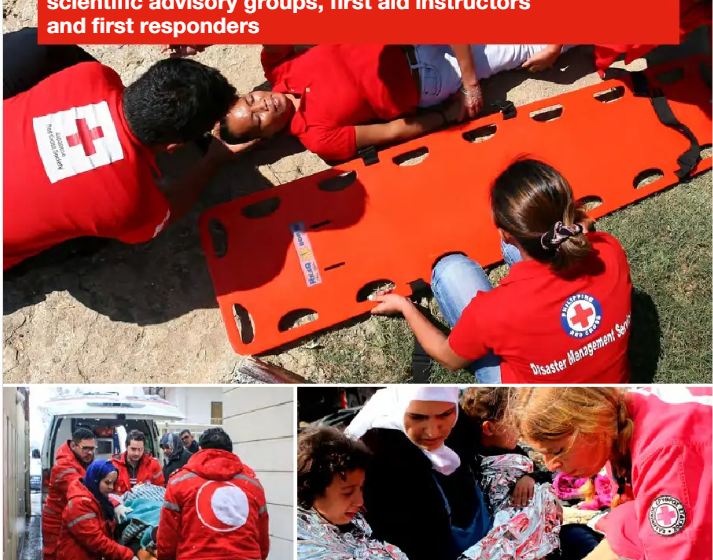

Emergencies don’t wait for a work shift. They happen at dinner tables, on road trips and in your own living room. A Red Cross course takes about a day and teaches CPR, choking relief and bleeding control. It’s a skill you carry for life.
Picture a backyard barbecue. A friend laughs mid-bite, then goes quiet and grabs their throat. Everyone freezes. Would you know what to do? Most people wouldn’t, and that’s okay. The good news is that Red Cross First Aid is easy to learn, and you don’t need a medical background to start.
Why Should You Learn First Aid Outside of Work?
Because most emergencies don’t happen at work. They happen where you spend your time off: at home, at parties, on the road and out on the trails.
The Heart and Stroke Foundation estimates that about 60,000 cardiac arrests happen outside hospitals in Canada every year. Many of them strike at home, with a family member or friend close by. The same source says CPR and an AED can double someone’s chance of survival.
Paramedics are fast. Still, they need minutes to arrive. Those minutes belong to whoever is standing nearby. That could be you.
Where Do Everyday Emergencies Really Happen?
Life is busy, and small accidents are part of it. Here are a few places where first aid skills come in handy:
- At home. Kitchen burns, falls on the stairs, choking at the table and kids swallowing things they shouldn’t.
- On the road. Cuts, sprains and heat exhaustion on a long weekend drive. A fender bender can leave someone hurt long before help arrives.
- At social events. Allergic reactions, fainting and choking happen at weddings, restaurants and game nights.
- Outdoors. Kitchener’s parks and trails are great for walks, runs and bike rides. They’re also where twisted ankles and bee stings turn up.
You can’t predict which one you’ll face. You can prepare for all of them.
What Will You Learn in a Red Cross First Aid Course?
Think hands-on, not lecture. You’ll practise on manikins, use an AED trainer and work through real-life scenarios with an instructor beside you. Most courses cover:
- CPR for adults, children and infants
- How to use an AED
- Choking relief for all ages
- Bleeding control and wound care
- Burns, sprains and broken bones
- Signs of a heart attack, stroke and severe allergic reaction
Nobody expects you to be perfect. The goal is to help you stay calm, act fast and keep someone safe until paramedics take over.
Which Course Is Right for You?
Ontario updated its course names in June 2026 to match the national CSA Z1210:24 standard. That’s why you’ll see slightly different titles now. Here’s a simple way to choose:
- Basic First Aid with CPR and AED. A great first step for parents, students, caregivers and anyone curious. It covers the essentials.
- Intermediate First Aid. Formerly called Standard First Aid. It goes deeper into fractures, head and spine injuries and medical conditions like seizures and diabetic emergencies.
- Basic Life Support (BLS). Built for nursing students, health care workers and anyone in a clinical role.
Not sure which one fits? Ask your instructor before you book. A good provider will point you to the right level.
Why Learn in Person Instead of Watching a Video?
Videos are a nice start, but CPR is physical. You need to feel how hard to push and how fast to go. In class, an instructor corrects your hand position and rhythm on the spot, which no screen can do.
Many courses are blended. You finish the theory online at your own pace, then come in for the hands-on part. You get flexibility without skipping the practice that counts. Plus, learning alongside friends or family makes it far easier to remember.
Does It Matter for Your Job Too?
Yes, and it’s a nice bonus. If you manage a team or run a small business in Ontario, you may be covered by WSIB Regulation 1101, which sets first aid rules for workplaces. The province’s Occupational Health and Safety Act also asks employers to take every reasonable precaution to protect workers.
A WSIB-compliant certificate helps you meet those duties. So the same weekend that makes you a calmer friend and parent can also make you a stronger employee or boss.
How Do You Stay Confident After the Course?
Skills fade if you don’t use them. Certificates are valid for three years, but your confidence needs a little help in between. Try these habits:
- Run a ten-minute drill. Once a season, walk your family or housemates through a pretend emergency. Who calls 911? Who starts CPR?
- Stock a kit. Keep one at home and one in the car. Check the dates twice a year.
- Find the AED. Notice where the nearest one is at your gym, office or favourite coffee spot.
- Book renewals early. Put the expiry date in your calendar so it doesn’t sneak up on you.
What’s the Real Takeaway?
You can’t plan for every emergency. You can plan to be ready. A single day of training turns a frozen bystander into someone who knows what to do, and who can help a stranger, a neighbour or someone you love. That’s worth more than any caption, any photo and any plan for the weekend.
If you are looking for first aid training near Kitchener Market, Kitchener City Hall, King Street East and Queen Street, or other areas close to our facility in downtown Kitchener, then you may reach out to Coast2Coast First Aid & Aquatics in that area.
5. FAQs
- How long does a Red Cross first aid course take? Many Basic First Aid courses run about one day, though length depends on level and format. Blended courses let you do the theory online, then attend a shorter hands-on session.
- Do I need medical experience? No. Courses are built for beginners, with an instructor guiding you on manikins.
- Is Red Cross first aid training valid for work in Ontario? A WSIB-compliant certificate from an approved provider can help covered workplaces meet WSIB Regulation 1101 training requirements. Check which level your workplace needs first.
- How long does a certificate last? Three years in Ontario. Short practice drills in between help skills stay fresh.
- What is the difference between Basic and Intermediate First Aid? Basic covers CPR, AED, choking and bleeding control. Intermediate (formerly Standard) adds fractures, head and spine injuries, burns and conditions like seizures and diabetic emergencies.